

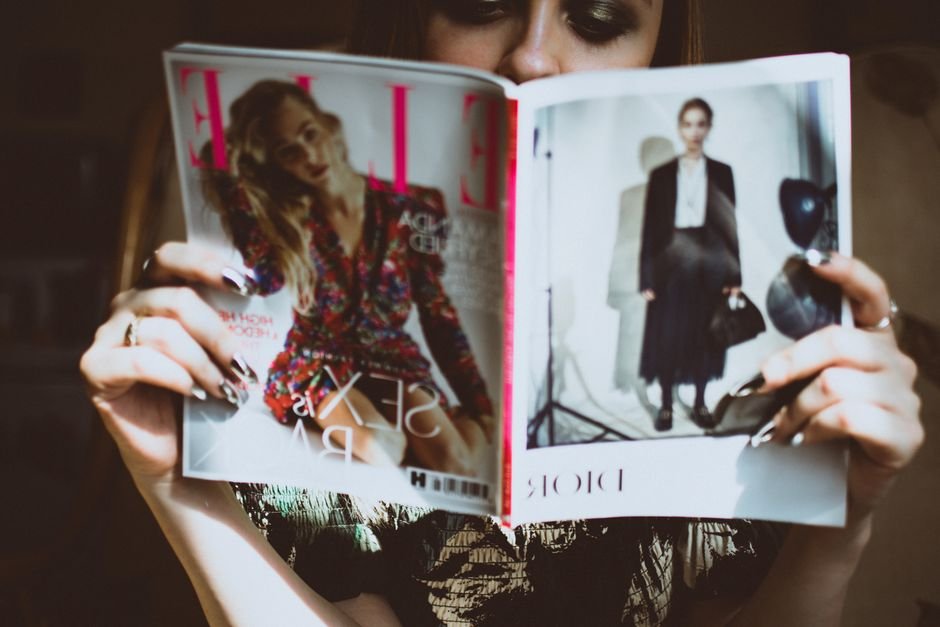

I still remember the moment I realized I had no idea what I was actually reading online. I was curled up on the couch with a mug of tea, clicking through article after article, and somewhere around the fifth tab I stopped and thought — wait, who even wrote this? Was it a real person? Were they being paid to say this? Did they actually try the thing they’re recommending, or are they just paraphrasing someone else’s review?
If you’ve ever felt that little flicker of doubt while scrolling, you’re not alone. I’ve been burned by “top ten” lists that clearly just copied each other, and I’ve also stumbled onto little corners of the internet that felt like a friend quietly telling me the truth. That second kind is rare, and when I find it, I hold on tight. So today I want to talk about how I’ve learned to tell the difference — and why it matters more than we think.
Why I Stopped Trusting Every Glowing Review
I used to be the person who bought whatever had the most stars. Five stars, hundreds of reviews, sold. Easy, right? Except it wasn’t. I once ordered a product that had nothing but praise, and when it arrived, it was… fine. Not terrible, not amazing, just fine. And I remember standing in my kitchen thinking, did we all buy the same thing?
What I’ve learned since is that reviews live in categories. There are the quick “got it, love it” reviews written five minutes after unboxing. There are the ones that are suspiciously polished, like someone’s marketing team got ahold of the comment box. And then there are the ones that actually tell a story — the person who used it for three months, hit a snag, figured out a workaround, and came back to share. Those are gold.
So now when I’m researching something, I don’t just look at the star rating. I look for:
- Reviews that mention a specific moment or problem, not just a feeling
- Comparisons between two similar products, because that means someone actually weighed their options
- Honest downsides — nothing is perfect, and a review that admits that feels more real to me
- Whether the writer seems to be talking to me or talking at me
It sounds like a lot of work, but honestly, it takes five extra minutes and saves me so much regret.
The Comparison Trap (and How I Climb Out of It)
Here’s something I don’t say out loud very often: comparison shopping used to make me miserable. Not because the products were bad, but because I’d get lost in the endless back-and-forth. This one’s cheaper but that one has better reviews. This one ships faster but that one has a warranty. I’d spend an entire evening going in circles and end up buying nothing, or worse, buying the wrong thing out of exhaustion.
Then one day I was talking to my friend Dana, who is the most decisive person I know, and she said something that stuck with me. She said, “Emma, you’re not looking for the best option. You’re looking for the best option for you.” And I just sat there like… oh. Right. That’s the whole point.
So now when I compare things, I start with what I actually need. Not what sounds impressive, not what everyone else is buying — what fits my life right now. It’s a small shift, but it changes everything. Suddenly the comparison isn’t a trap, it’s a tool.
I also try to remember that a comparison isn’t a verdict. Two things can both be good. I don’t have to crown a winner and shame the loser. Sometimes the “worse” option is just the one that doesn’t match my particular situation, and that’s completely okay.
The Little Tips That Actually Saved Me
Over the years I’ve picked up a handful of habits that I wish someone had told me about sooner. Nothing revolutionary, just small things that make the whole process less stressful.
- I keep a running note on my phone of things I’m curious about, so I’m not impulse-buying at midnight
- I always check the date on a review — something from five years ago might not apply anymore
- I read the middle reviews, the three and four stars, because that’s where the honest details live
- I ask myself, “Would I still want this if no one else had it?” It’s a surprisingly clarifying question
- I give myself permission to walk away. Not buying something is always an option, and it’s often the right one
And one more thing — I’ve stopped feeling embarrassed about researching. For a long time I thought I should just “know” what to buy, like it was some kind of adult skill I was supposed to have mastered. But nobody knows everything. Asking questions, reading carefully, taking your time — that’s not indecision. That’s care.
I think that’s really what this whole thing comes down to for me. It’s not about finding the perfect product or the perfect answer. It’s about being a little more thoughtful, a little more patient with myself, and a little more honest about what I actually need. The internet is loud and full of voices, but somewhere in there are the ones worth listening to. I’m just trying to be one of them — and to find the others. 🤍