

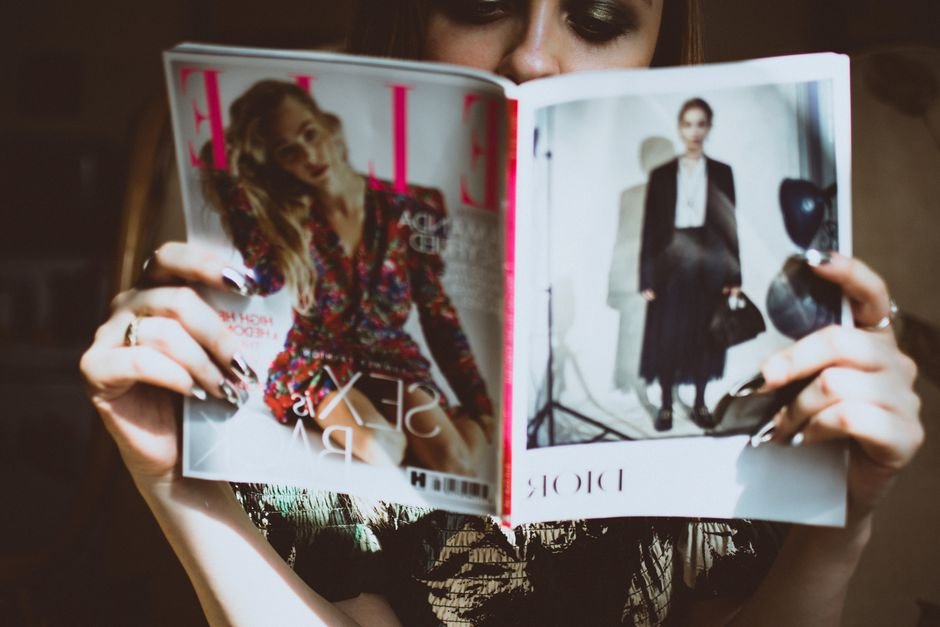

Okay, can we just take a moment? I was scrolling through my phone the other day, half-watching a show, and I stumbled down this rabbit hole of product reviews, comparisons, and “industry news” that honestly just made my head spin. You know that feeling? When you’re trying to make a simple decision—like, I don’t know, picking a new moisturizer or figuring out the best way to organize your closet—and suddenly you’re drowning in a sea of tabs, expert opinions, and conflicting advice? It’s exhausting. I felt that so deeply that I had to sit back with my coffee (third cup, don’t judge) and think about what actually helps versus what just adds noise. So today, I wanted to share some of that thinking with you—because if you’re anything like me, you need a little less chaos and a little more “okay, I got this.”
Why We Overthink the Small Stuff (and How to Stop)
Here’s the thing: I used to think that being thorough meant reading every single review, comparing every spec, and checking three different sources before buying a $20 kitchen gadget. Sound familiar? I once spent an entire evening—an entire evening!—debating between two almost identical water bottles. One had a slightly wider straw. The other came in a prettier color. My husband walked by and asked if I was planning a scientific expedition. He wasn’t wrong.
I think we do this because we’re afraid of making the “wrong” choice. But here’s what I’ve learned after years of trial and error (and a few regrettable purchases): most decisions aren’t life-or-death. They’re just… decisions. So, my first tip is to give yourself a time limit. Set a timer for fifteen minutes. Do a quick scan of what’s out there, pick the option that feels 80% right, and move on. You can always adjust later. Honestly, the relief you feel from just *deciding* is worth more than the perfect water bottle.
And let’s talk about those “industry news” sections for a second. I love staying informed, but sometimes it feels like every week there’s a new “must-have” or a study that contradicts last month’s study. It’s a lot. I’ve started treating news like a buffet—I take what’s useful and leave the rest. You don’t have to be an expert on everything. You just need to be an expert on *your* life and what works for you.
My Go-To Tricks for Cutting Through the Clutter
Over time, I’ve developed a little system for myself. It’s not fancy, but it keeps me sane, and I thought you might find it helpful too. When I’m faced with a pile of options—whether it’s a new skincare routine, a tool for the kitchen, or even a podcast to listen to—I run it through these three filters:
- Does it solve a real problem for me? Not a hypothetical problem, not a problem that a clever ad made me think I have. A real, everyday annoyance. If it doesn’t make my life easier, it’s not worth my money or my mental space.
- Will I actually use it? I’m guilty of buying things for the “idea” of who I want to be. (Yes, I own a bread maker. No, I have not made bread.) Now I ask myself if I can see myself using it next week, not just in a Pinterest-perfect fantasy.
- Does it feel good to me? This is the vibe check. If a product or a piece of advice feels complicated, stressful, or like it’s trying to sell me something, I pass. Life is too short for things that make me feel inadequate.
I also want to give a special shoutout to the “resources” category. You know, the lists of links and guides that people share? I used to bookmark everything and never look at it again. Now, I have a rule: if I don’t use a resource within 48 hours, I delete it. It sounds harsh, but it keeps my bookmarks bar from becoming a digital graveyard. And honestly, if it was truly valuable, I’ll find it again when I need it.
Finding Your Own “Good Enough”
Here’s a little story for you. Last month, I needed a new pair of running shoes. My old ones were practically falling apart, and I knew I had to do the research. So I did. I read the reviews, compared the cushioning, checked the drop (whatever that means), and even watched a video of a guy explaining foot strike patterns. I was *so* prepared. And then, at the store, I tried on a pair that wasn’t even on my list. They just felt right. They were comfortable, they were in my budget, and they didn’t make me feel like I needed to be a marathon runner to wear them. I bought them. And you know what? They’re perfect.
That experience reminded me that data and reviews are great starting points, but they’re not the whole story. Your own comfort, your own intuition, and your own lifestyle matter way more than a five-star rating from a stranger. It’s okay to use the information out there as a guide, but don’t let it become a rulebook. You’re the one who has to live with the choice, so make sure it fits *you*.
I think that’s the real takeaway, isn’t it? We have so much information at our fingertips, but it’s easy to forget that we’re the ones in charge. We can take what we need, ignore the rest, and trust ourselves to make good choices. It’s not about being perfect or having the best of everything. It’s about feeling good about the choices we make and not wasting our precious time and energy on things that don’t truly matter.
So, next time you’re feeling overwhelmed by all the options and opinions out there, just remember: you’ve got this. Take a breath, give yourself permission to be a little less thorough, and trust that you’ll figure it out. Because you always do. And that’s something worth raising a coffee mug to.
🤍